Osteopathy is a manual medicine which aims to understand the causes of the patient’s symptoms based on an analysis of the different systems of the human body as a whole. It is a so-called “systemic” approach which allows to act on functional disorders and symptoms.
Osteopathic treatment is based on the principle that the structures and functions of the body are closely linked, and that a person’s well-being depends on the harmonious functioning of the neurological, musculoskeletal (joints, muscles,…) and visceral (organs) structures.
The osteopath therefore examines and treats a person as a whole without focusing on any particular symptom or disease.
Within osteopathy, we also specialise in sports and children’s osteopathy.

Structural pillar
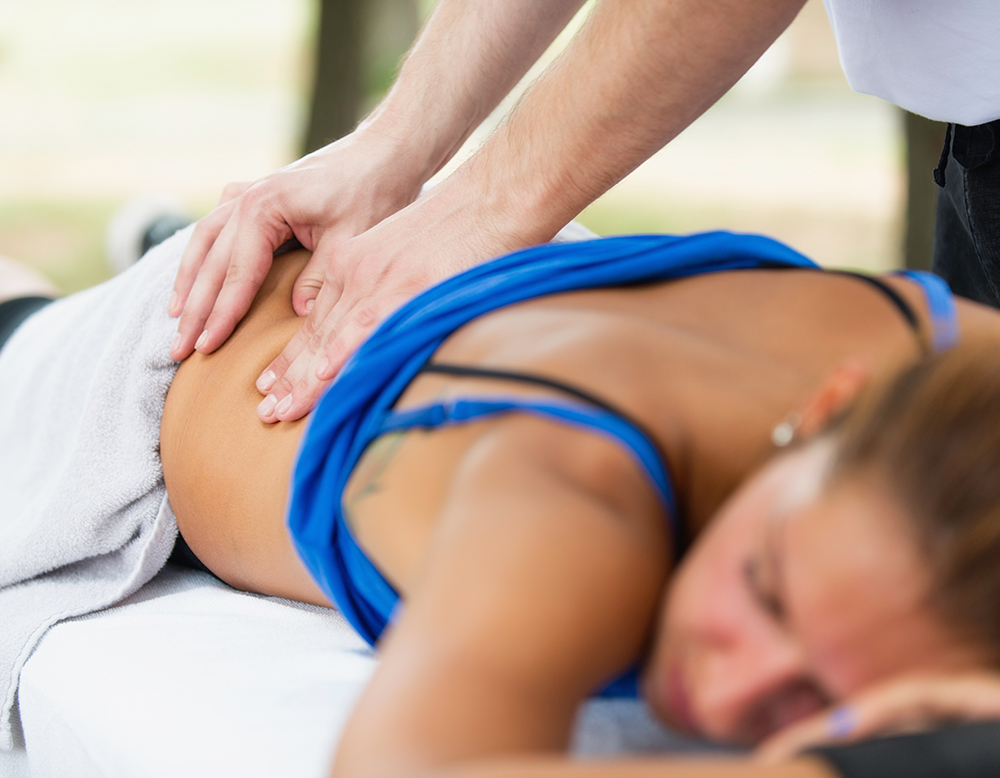
This pillar focuses on all joints. If a joint is blocked and no longer moves properly, this can be painful or uncomfortable locally, but can also have a negative impact on the rest of the body. By means of mobilisations (sliding techniques) and/or, if necessary, manipulations (creaking), we make these joints move again.
Visceral pillar
In the abdominal area there can also be a lot of tension, which will affect other areas of the body. As an osteopath, we try to detect these tensions and release them with gentle techniques. If necessary, nutritional advice is given.
Craniosacral pillar
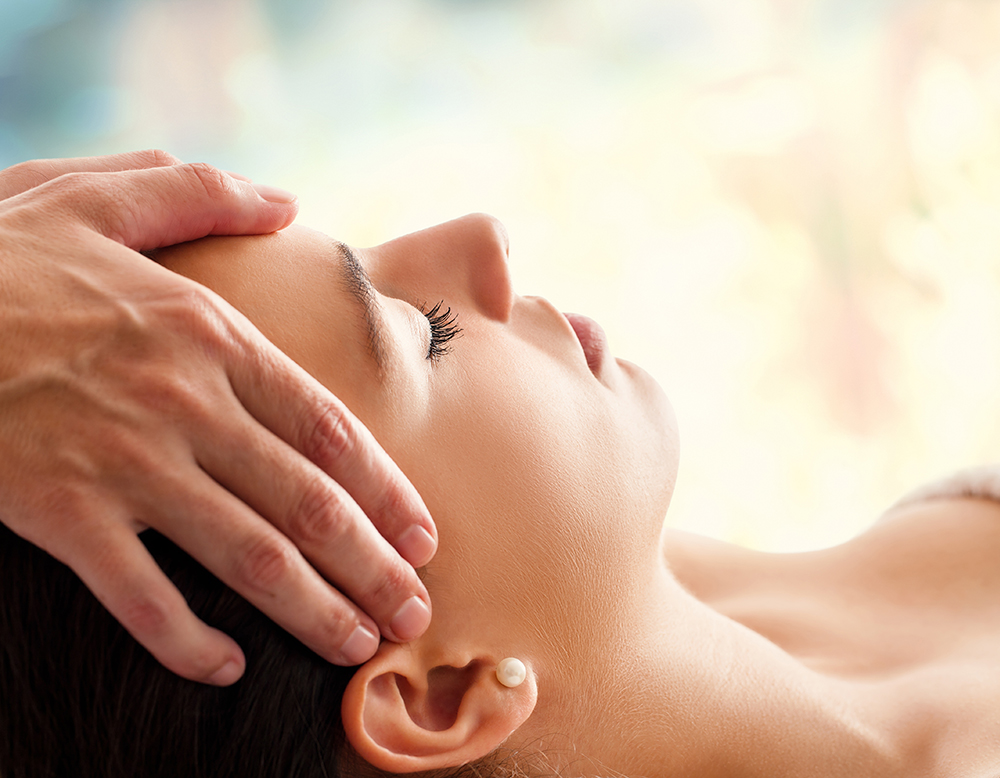
The craniosacral pillar consists of all the bones surrounding the nervous system. From the skull to the vertebrae and coccyx. Mobilisation can be performed on this system via the skull or via the coccyx.
Osteopathy is not an alternative medicine, but above all it wants to be complementary to classical medicine. Osteopaths therefore strive for a good relationship with other healthcare providers. Your doctor will continue to play a central role in the coordination of your care and can be informed about your treatments.